
Rising Up recognized by Deeptech...


The DISC test sorts profiles into red, yellow, blue and green. What do these colors measure, what are their limits, and how can you assess soft skills with a scientific approach?
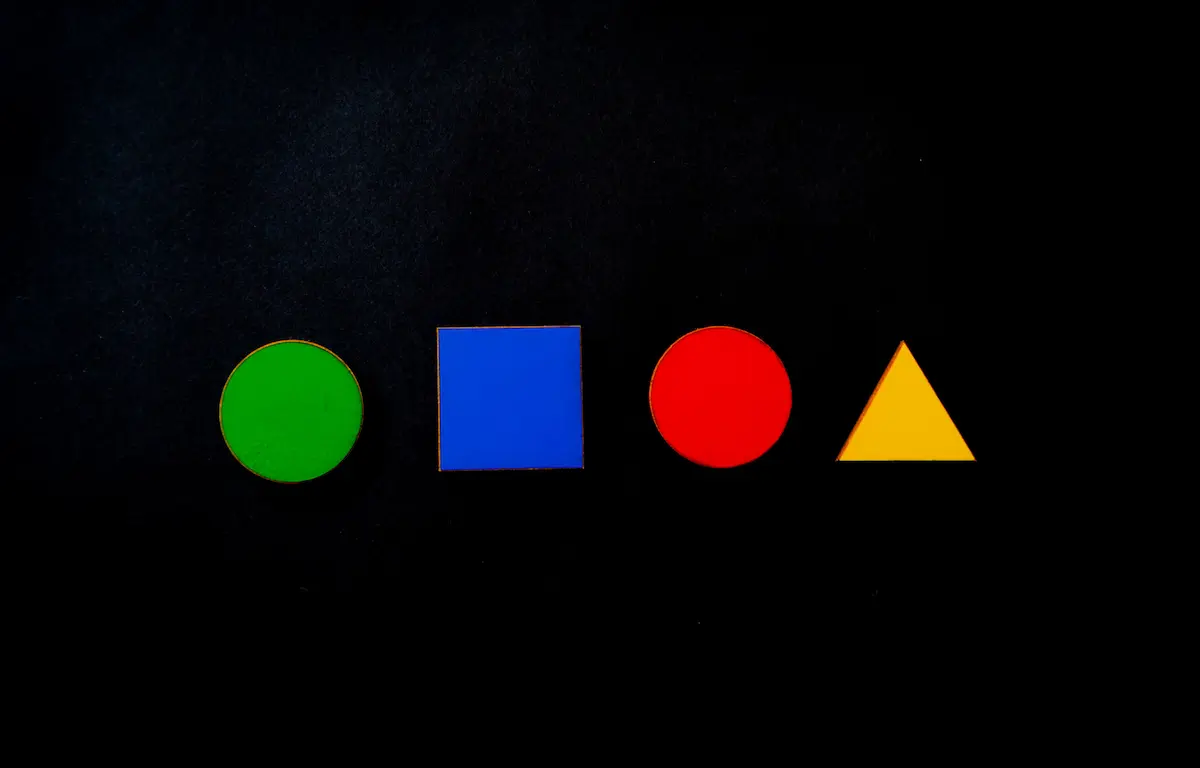
The DISC test classifies every individual into four colors: red, yellow, blue, green. Popular in recruitment and management since the 1970s, this model promises to decode communication styles within teams. But is it enough to assess your employees' behavioral skills in real-life situations?
In 1928, psychologist William Moulton Marston proposed a two-axis model (assertiveness and receptivity) that breaks human behavior down into four tendencies. The colors appeared later, in the 1970s, to make the model more accessible.
DISC is not a psychometric test in the strict sense. It describes communication preferences, not skills. This is a fundamental distinction: a tool that classifies styles says nothing about someone's ability to resolve a conflict, prioritize under pressure, or adapt their management style to the context.
To understand in detail why Rising Up does not use the DISC test in its assessments, a dedicated article explores the question.
The red profile refers to people who are action-oriented and quick to decide. In companies, they are often found in leadership roles. But DISC cannot predict how this profile will react to a real disagreement with a colleague. The color describes a declared tendency, not a behavior observed in context.
The yellow profile characterizes expressive, sociable individuals. Sought after in sales or communication, this profile is credited with the ability to influence. Yet knowing that an employee declares themselves "influential" does not indicate whether they can adapt their message to a difficult counterpart or handle an objection in a meeting.
The green profile refers to patient people who listen and prioritize team cohesion. Steadiness is an asset in management. But steadiness declared in a questionnaire says nothing about actual behavior in the face of a team conflict or an internal reorganization.
The blue profile corresponds to analytical individuals, oriented toward precision and data. In a professional context, they excel in roles where rigor is essential. However, declared rigor does not always translate into the ability to collaborate under pressure or to arbitrate between precision and deadlines.
The DISC model relies on two dimensions and four categories. Research in psychometrics shows that a minimum of five independent dimensions is required to describe personality reliably. The Big Five (OCEAN) model, based on five scientifically validated factors, is considered the minimum standard in research.
With four colors, DISC produces a diagnosis that is too broad to support a recruitment or training decision. Two individuals with very different profiles can end up with the same color.
DISC, like the MBTI or the PAPI, relies on declarative self-assessment. Employees answer based on the image they have of themselves, not on what they actually do.
Self-perception biases, social desirability and the testing context all influence the answers. In psychometrics, this is called a lack of ecological validity: the test does not predict behavior in real work situations. This limitation is common to all declarative tests, regardless of the number of colors or categories.
DISC assigns the same color regardless of the position, industry or level of responsibility. A field manager and an IT project manager can both get the same "red profile". Yet the behavioral skills required for each role are radically different.
A recruitment tool built on cognitive science must produce a compatibility score between a candidate and the specific requirements of the position, not a generic label.
behavioural skills predict professional success, contribute to it causally, and can be developed (research by James Heckman, Nobel laureate in economics). With stakes this high, assessment cannot rely on declared preferences.
An approach based on cognitive science identifies each individual's strengths and development areas across 18 behavioral skills: attention, emotional intelligence, stress management, adaptive communication, decision-making, collaboration. These are observable, contextualized behaviors, not self-declared communication styles.
Every position requires specific skills. A scientific assessment produces a compatibility score between a candidate's profile and the requirements of the role, aligned with job frameworks and job descriptions.
Companies such as Google, Adobe and Orange use this approach to bring objectivity to their HR decisions. IAE Paris-Sorbonne integrated this framework to certify the behavioral skills of its students, alongside their academic knowledge.
Recognized as a Deeptech by the European Innovation Council (EIC) (November 2023), Rising Up builds on ten years of research conducted with international cognitive science laboratories. The Responsible Digital label (NR1) completes this commitment to rigor.
Unlike DISC, which classifies, this method identifies, develops and certifies behavioral skills. That is the difference between a label and a lever for HR decisions.
Looking for a science-based alternative to the DISC test? The answer lies in the objective measurement of behaviors.
The DISC test and its four colors (red, yellow, blue, green) have the merit of simplicity. As a first approach to team communication dynamics, it is a starting point.
But when it comes to assessing, recruiting or developing your employees' behavioral skills, the stakes demand a scientific approach based on observable, contextualized behaviors.
The question that matters: do you want to know what employees think of themselves, or measure what they do in real professional situations?
Discover how to measure soft skills with an approach built on cognitive science and AI.
From recruitment At development skills, Rising Up provides reliable behavioral data to guide your HR and educational choices.


.svg)
.svg)
.svg)

